


Definition
Optium Museum Acrylic is a premium, museum-quality acrylic glazing material designed for picture framing and art preservation. It combines near-invisibility with protective features including UV filtering, anti-static properties, and scratch resistance, making it ideal for both valuable artwork and high-end displays.
Technical Info
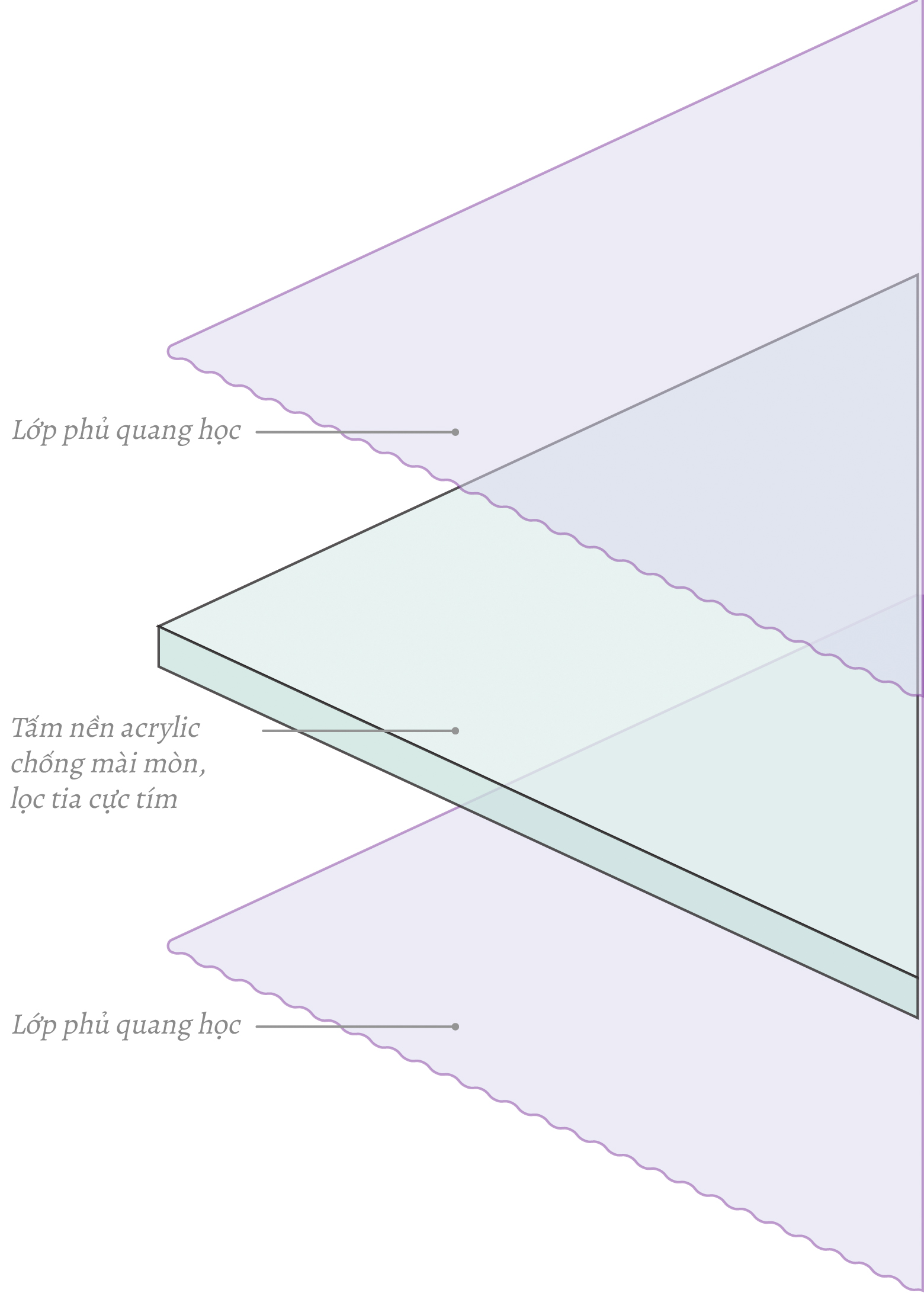
Substrate: Abrasion Resistant UV Filter Acrylic.
Coating: Double-Sided Anti-Reflective
Thickness: 3.0mm, 4.5mm and 6.0mm /.118″, .177″ and .237″.
Maximum Size: 72″ x 120″ / 1830mm x 3050mm.
Reflection:< 1.6% (double sided).
Transmission: >>98% (total).
UV Block: up to 99% of 300nm to 380nm UV rays.
Applications
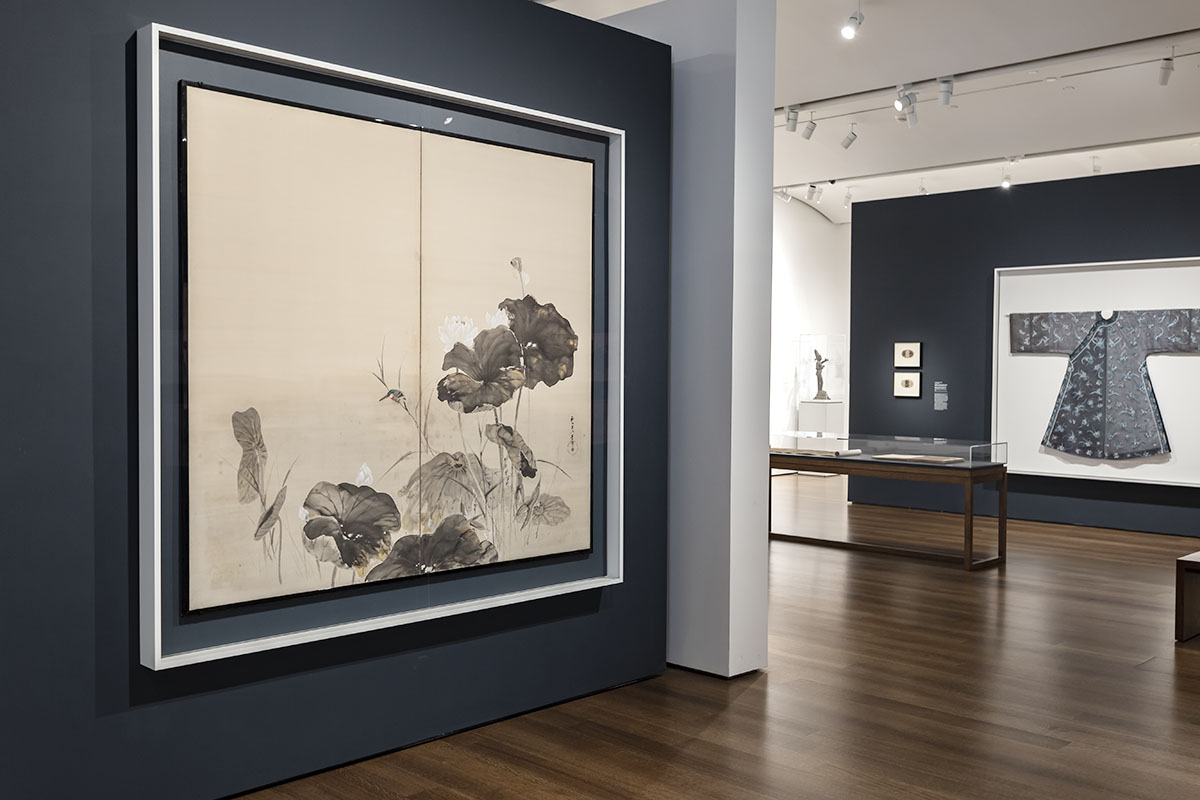
Framing or display cases for cultural heritage and fine art collections.
High volume work – anti-static properties cut down on cleaning and fabrication time.
Static sensitive materials including textiles, charcoals, pastels, fragile surfaces, featherwork and lightweight papers.
Oversized works, structurally sensitive frames, and / or when glass is too heavy.
Irreplaceable works of art.
Shadowboxes for displaying objects, including family heirlooms or personal mementos.
Works that travel, high traffic areas, and public event spaces where safety is a concern.
Oversized works up to 10ft x 23 ft / 3m x 7m (two or more sheets of Optium Museum Acrylic are seamed together).
Who Is It For?
Optium Museum Acrylic is ideal for high-value, oversized, traveling, or static-sensitive works where clarity, UV protection, durability, and safety are priorities. It is commonly selected by:
Museums, galleries, and art conservators
Professional custom framers and fine art photographers
Collectors and corporate art collections
Healthcare facilities, hospitality, and public event spaces
Installation Considerations
Compatible with standard picture framing methods, including mats and spacers.
Should be handled with care to avoid surface scratches, despite its scratch-resistant coating.
Works well with anti-reflective and non-glare presentation needs.
Overview
Optium Museum Acrylic is engineered to reduce glare and reflections while safeguarding artwork from ultraviolet (UV) light, dust, and static. It is significantly lighter and more shatter-resistant than traditional glass, making it safer and easier to handle in both domestic and gallery settings.